The Brining Blueprint: What is Turkey Brine and Why Bother?
For anyone dreaming of a Thanksgiving centerpiece that's not just golden-brown and impressive but also incredibly juicy, profoundly flavorful, and undeniably tender, the secret weapon is often a well-crafted turkey brine. Far from being an arcane culinary technique, brining is a simple yet profoundly effective method of preparing poultry that promises to elevate your bird from good to utterly unforgettable.
At its core, a turkey brine is a carefully balanced salted and seasoned liquid in which a raw turkey soaks for a period, typically one to two days, before it’s cooked. This isn't just a quick bath; it's a transformative process. The initial experience of discovering the magic of brining often comes from a desire to achieve perfection – whether it's coaxing maximum flavor from a prized wild turkey or ensuring a store-bought bird stands out. The result is consistently a more succulent and tastier roasted turkey, making the minimal effort undeniably worth it.
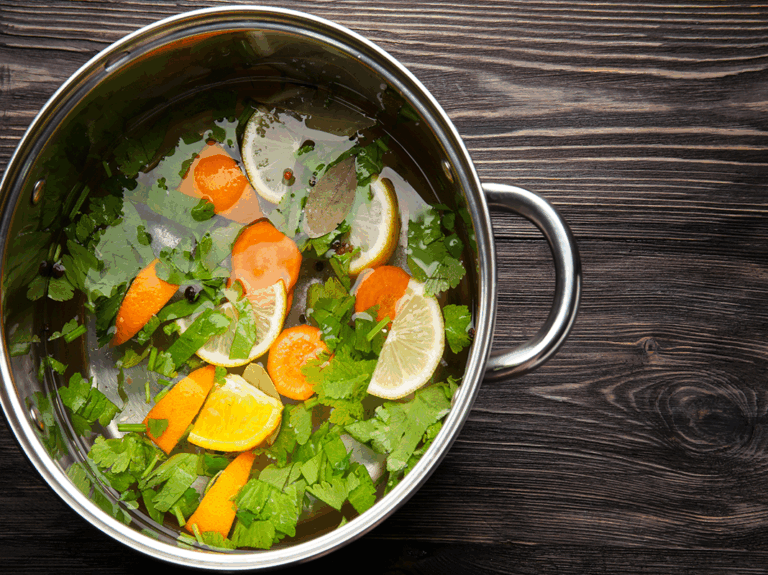
The preparation of the brine itself is surprisingly straightforward, usually requiring just 10-15 minutes on the stovetop to combine ingredients and bring them to a gentle simmer. This initial heating ensures that essential components like salt and sugar fully dissolve, creating a homogeneous solution ready to work its magic. While adaptable for turkeys of any size, this method proves particularly effective for common 12- to 15-pound birds, yielding remarkable results every time. The undeniable benefits are clear: the flavorful, often herby and salty, liquid systematically tenderizes and moistens the turkey meat, infusing it with deep flavor long before it ever touches the heat of the oven. It's truly astonishing how a combination of water and a few whole-food ingredients can yield such a superior taste and texture.
The Science Unleashed: How Salt Transforms Turkey
The cornerstone of any effective turkey brine is salt. Its role is far more sophisticated than simply adding seasoning; it's the primary scientific driver behind the transformation of dry, bland turkey into a moist, flavorful masterpiece. Understanding how salt works is key to appreciating the entire brining process.
Osmosis and Protein Denaturation: The Salt's Secret Weapon
When a turkey is submerged in a saltwater solution, a fascinating scientific phenomenon begins: osmosis. Initially, there’s a higher concentration of salt outside the turkey cells than inside. Water, driven by the desire to equalize concentrations, moves out of the turkey cells and into the brine. This might sound counterintuitive for a method designed to *moisten* the meat, but it's only the first step. As water leaves the cells, the salt ions begin to penetrate the meat.
Once inside, salt goes to work on the turkey's muscle proteins. The sodium ions break down the tightly wound protein strands, a process known as denaturation. These denatured proteins begin to unravel and unwind, creating new spaces within the muscle fibers. When the turkey is then left to soak, the brine (including water, salt, and other dissolved flavors) is drawn back into these newly created spaces. The net effect is that the turkey meat absorbs significantly more moisture – and flavor – than it would otherwise. Furthermore, these altered proteins are less likely to seize up and expel moisture during cooking, locking in juiciness. This is why a brined turkey can withstand higher cooking temperatures or longer cooking times without drying out, resulting in an incredibly tender and moist bird.
Choosing Your Salt Wisely
While salt is essential, not all salts are created equal in a brine. The type of salt significantly impacts how you measure and the ultimate salinity of your solution. For brining,
kosher salt is widely preferred. Its larger crystal structure allows for easier measurement by volume compared to fine table salt, which is much denser. Table salt, often iodized, can also impart a metallic off-flavor if used in large quantities. Canning salt or pickling salt are also good non-iodized options. If you must use table salt, reduce the quantity by about half compared to kosher salt by volume to achieve similar salinity levels and avoid over-salting. Consistency in salt type is crucial for reliable results, making kosher salt a go-to choice for many.
The Zesty Touch: Citrus and Acidity's Role in Tenderizing
While salt does the heavy lifting in tenderizing and moisturizing, citrus fruits like fresh lemons and oranges play a powerful supporting role, adding both vibrant flavor and further tenderizing action. The impact of citrus goes beyond just taste.
Acidity as a Tenderizer and Flavor Enhancer
The secret lies in the acidity. Acids, whether from lemons, oranges, or even a splash of vinegar, contribute to the tenderizing process by also working on the meat's proteins. Like salt, acidity can denature proteins, further breaking down tough muscle fibers and connective tissues. This dual action of salt and acid creates an even more profound tenderizing effect, yielding meat that is incredibly soft and easy to carve.
Beyond tenderization, citrus infuses the turkey with a bright, aromatic flavor profile that complements the rich poultry taste beautifully. The oils in the citrus peels release fragrant compounds into the brine, which in turn penetrate the turkey meat. This provides a fresh counterpoint to the savory notes of other seasonings, preventing the turkey from tasting flat. Ingredients like vinegar, while less common in some basic brines, can also be included. Besides its tenderizing properties, vinegar helps balance the overall flavor profile by cutting through richness and preventing the growth of unwanted microorganisms, adding an extra layer of food safety assurance.
Beyond Salt & Citrus: Crafting Your Perfect Turkey Brine
While salt and citrus form the scientific backbone of an effective turkey brine, the magic truly unfolds when you begin to layer in other aromatic whole-food ingredients and spices. These additions don't just add flavor; they weave a complex tapestry of taste that transforms a simple bird into a gourmet experience.
Think of your brine as a blank canvas waiting for your culinary artistry. Common additions, as highlighted in many
Easy Turkey Brine: Get Your Juiciest, Most Flavorful Bird recipes, include:
*
Sweeteners: Brown sugar, maple syrup, or honey can balance the saltiness and help achieve a beautiful caramelized skin during roasting. Brown sugar, with its molasses notes, is a popular choice, adding depth.
*
Aromatics: Minced garlic, whole garlic cloves, and sliced onions or shallots infuse a foundational savory flavor. Their robust notes penetrate the meat, enhancing its natural taste.
*
Herbs: Fresh sprigs of rosemary, thyme, sage, and bay leaves are classic turkey companions. Their earthy, aromatic oils are readily absorbed by the brining turkey, delivering that quintessential holiday aroma and flavor.
*
Spices: Whole peppercorns (black, white, or mixed), juniper berries, star anise, or even a pinch of red pepper flakes can add subtle warmth and complexity. Ground black pepper is a standard inclusion, offering a mild heat.
*
Umami Boosters: Worcestershire sauce, as mentioned in some stellar
out-of-this-world turkey brine recipes, adds a savory, fermented depth that enhances the overall richness of the turkey. A splash of soy sauce or even mushroom powder can offer a similar effect.
The beauty of crafting your own brine lies in the ability to customize. Experiment with combinations that appeal to your palate. For instance, an autumnal brine might feature apple cider and cinnamon sticks, while a more herbal version could focus on an abundance of fresh sage and rosemary.
Mastering the Brining Process: A Step-by-Step Guide and Key Tips
Brining a turkey, despite its sophisticated scientific underpinnings, is remarkably simple in practice. With a few basic tools and a clear understanding of the steps, you'll be on your way to preparing your best holiday meal yet. For a detailed walkthrough, refer to
Simple Steps to Brine a Turkey: Prep Your Best Holiday Meal.
Preparing Your Brine Safely
The first crucial step is to prepare your brine mixture.
- Combine Ingredients: In a large pot on the stovetop, combine a half-gallon to two gallons of water (depending on turkey size and recipe), your chosen salt (typically 1 to 1.5 cups for a medium turkey), sweeteners, seasonings, and citrus.
- Heat and Dissolve: Gently heat the liquid, stirring constantly, until it just simmers. This ensures that the salt and any sugar completely dissolve into the liquid. It's vital to ensure *all* solid particles are dissolved for an effective brine.
- Cool Completely: This is a critical food safety step. The brine mixture must be cooled to room temperature, or even chilled further in the refrigerator, before it ever touches the raw turkey. Pouring hot brine over poultry can create a breeding ground for bacteria. You can prepare your brine up to two days in advance and store it in the refrigerator.
Submerging Your Turkey
Once your brine is cool, it’s time to introduce the turkey.
- Thaw and Prepare Turkey: Ensure your turkey is completely thawed. Remove any giblets from the cavity.
- Choose Your Container: Select a large, food-grade container that can comfortably hold your turkey and enough brine to fully submerge it. Options include a large stockpot, a clean food-grade bucket, a deep roasting pan, or, most conveniently, a heavy-duty brining bag (often placed inside a large bowl or cooler for stability).
- Submerge Fully: Place the turkey into your chosen container. Pour the cooled brine over the turkey, ensuring it is completely submerged. If needed, you can add a little extra cold water to achieve full submersion, or use a plate or weight to keep the turkey from floating.
- Refrigerate: Cover the container or seal the brine bag and place the entire setup in the refrigerator. Brine for a minimum of 12-24 hours, and up to 48 hours for larger birds. Avoid brining for longer than 48 hours, as the meat can become overly salty or develop a mushy texture.
Post-Brining Essentials
After the brining period, a few final steps are essential for optimal results:
- Rinse Thoroughly: Remove the turkey from the brine and rinse it thoroughly under cold running water, both inside and out. This washes away any excess surface salt and residual brine flavors that could lead to an overly salty exterior.
- Pat Dry: Using paper towels, pat the turkey completely dry, inside and out. A dry skin is crucial for achieving that coveted crispy, golden-brown exterior during roasting. For an even crispier skin, you can place the patted-dry turkey back into the refrigerator, uncovered, for a few hours or even overnight. This allows the skin to air-dry further.
- Discard Brine: Never reuse brining liquid. It has been in contact with raw poultry and must be safely discarded.
Brining is not a difficult task, and many find it to be one of the easiest, yet most impactful, steps in their holiday meal preparation. It’s an investment of time that pays dividends in flavor and texture, ensuring your turkey is the star of the show.
Conclusion
The science of brining, with salt and citrus at its core, is a culinary marvel that transforms an ordinary turkey into an extraordinary one. By understanding how salt tenderizes and moistens through osmotic pressure and protein denaturation, and how acidity from citrus further enhances tenderness while infusing vibrant flavor, you gain control over the quality of your roasted bird. It's a simple, low-effort technique that yields high rewards – a turkey that is consistently juicy, tender, and bursting with flavor. So, the next time you prepare a turkey, remember the power of the brine; it's always worth the extra step for a truly memorable meal.