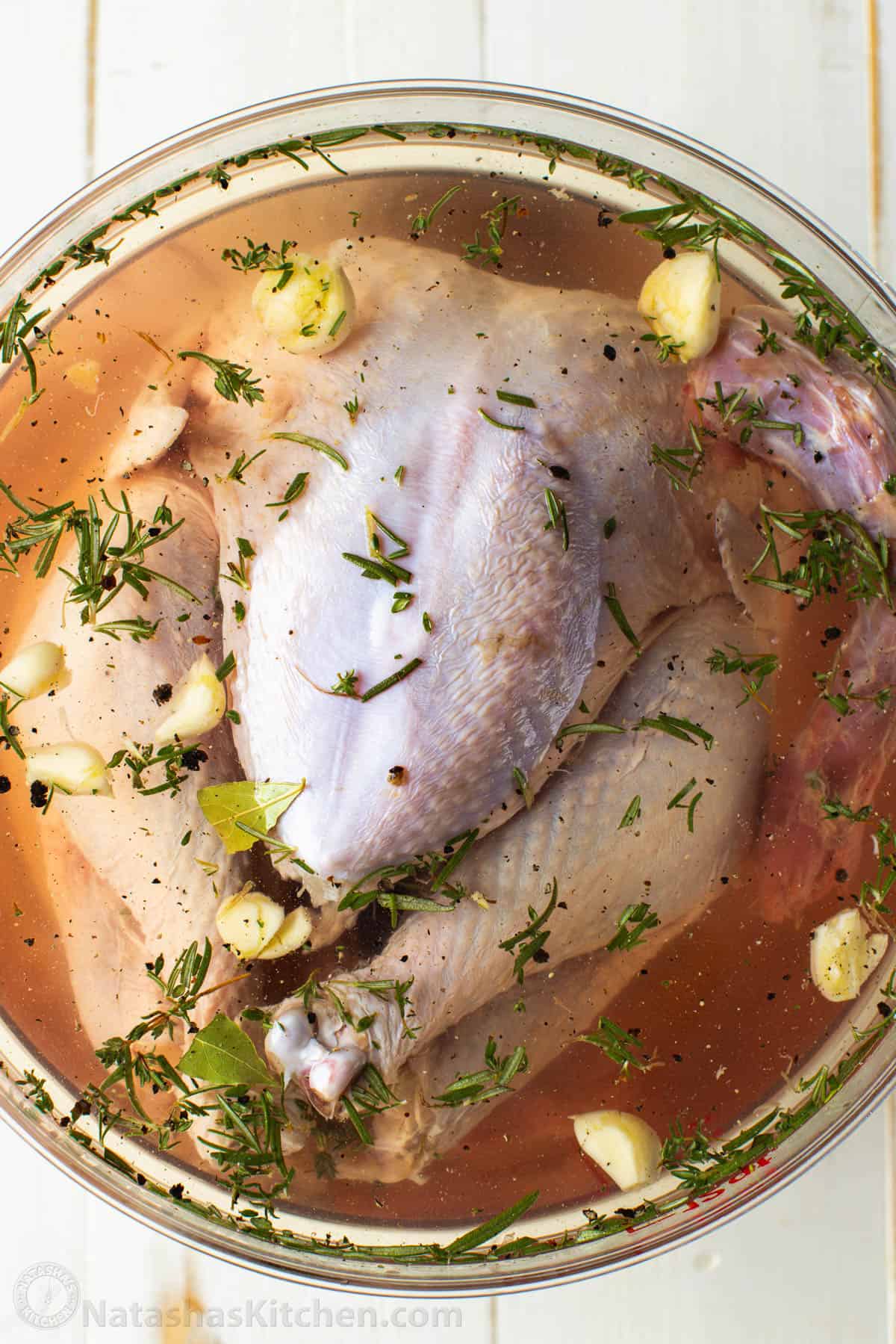
Unlock Unbeatable Juiciness and Flavor with an Easy Turkey Brine
Thanksgiving and holiday meals often revolve around the magnificent roasted turkey, a centerpiece that promises festive cheer and delicious aromas. Yet, how many times have you carved into a turkey only to find it dry, bland, or disappointingly tough? It's a common culinary challenge, but one that has a remarkably simple and effective solution: the turkey brine. Forget everything you thought about complicated holiday cooking; brining your turkey is one of the easiest and most impactful steps you can take to ensure every bite is bursting with flavor and succulent juiciness.
For years, home cooks have sworn by the magic of a good brine, transforming even the most humble birds into culinary masterpieces. Whether you're roasting a store-bought bird for a grand holiday feast or preparing a wild turkey harvested with care, the principle remains the same: a simple soak can make all the difference. This technique, requiring just 10-15 minutes of active preparation time, will elevate your turkey from good to absolutely unforgettable. It’s an investment of time that pays dividends in taste and texture.
What is Turkey Brine and Why is it Essential?
At its heart, a turkey brine is a seasoned, salted liquid designed to infuse your raw turkey with moisture and flavor *before* it even touches the oven. Imagine a spa treatment for your turkey, where it soaks up a delicious concoction that not only makes it incredibly tender but also deeply flavorful. This isn't just a chef's secret; it's a fundamental technique rooted in culinary science that anyone can master.
The primary benefit of brining is twofold: enhanced moisture and incredible flavor. The salty liquid helps to tenderize the meat by breaking down some of its muscle fibers. More importantly, through a process called osmosis, the turkey absorbs some of this flavorful liquid. During cooking, even as the turkey naturally loses some of its internal moisture, the brined bird retains significantly more of it, resulting in a consistently juicy and moist final product. This preparatory step guarantees that your roasted turkey will be tender, never dry, and imbued with aromatic notes that go far beyond a simple surface seasoning.
The Science Behind the Juiciness: How Brining Works its Magic
Understanding the science makes appreciating the results even better. The star ingredient in any turkey brine is salt. When meat is submerged in a saltwater solution, two key things happen. First, the salt begins to denature the proteins in the turkey's muscle fibers. This means the proteins unravel and unwind, losing some of their tightly coiled structure. This process creates tiny gaps within the muscle, allowing the cells to absorb more liquid. Secondly, the salt also helps to trap that absorbed moisture, preventing it from escaping as readily during the high heat of roasting. Essentially, the salt changes the turkey's cellular structure, turning it into a sponge that can hold onto more liquid, leading to that coveted juicy texture.
Beyond salt, other ingredients play crucial roles. Fresh citrus fruits like lemons and oranges contribute not only vibrant flavor but also acidity. This acidity further assists in the tenderizing process by breaking down connective tissues, making the meat even more succulent. Similarly, a touch of vinegar, another acidic ingredient, helps to balance the brine's flavor profile, preventing it from tasting overly salty or sweet, while also acting as a natural preservative. For a deeper dive into the fascinating chemical reactions at play, explore The Science of Brining: How Salt & Citrus Tenderize Turkey.
Crafting Your Perfect Turkey Brine: Essential Ingredients and Beyond
Creating a delicious turkey brine is surprisingly straightforward, typically requiring just water and a few whole-food ingredients and spices. While recipes can vary, certain components are non-negotiable for success:
- Salt: The Foundation: As discussed, salt is the most critical component. While table salt can be used, many culinary experts, myself included, prefer kosher salt or canning salt. These salts have larger crystals and are free of anti-caking agents, which can sometimes cloud the brine. If using table salt, be mindful that it's denser than kosher salt, so you'll need to use less by volume (roughly half to two-thirds the amount). Always ensure the salt is completely dissolved for an even distribution of its tenderizing power.
- Acids: Brightness and Tenderness: Fresh lemons and oranges are excellent choices, offering bright, zesty notes that permeate the meat. Their acidity also contributes to the tenderizing effect. A splash of apple cider vinegar or white vinegar can further enhance this balance, adding a tangy counterpoint to the salt and any sweetness.
- Sweeteners: Balance and Browning: A touch of brown sugar is a popular addition, providing a subtle sweetness that balances the saltiness of the brine. It also aids in achieving that beautiful, caramelized golden-brown skin during roasting, thanks to the sugars reacting with the heat.
- Aromatics and Spices: The Flavor Infusion: This is where you can truly personalize your brine. Beyond salt, citrus, and sugar, consider incorporating:
- Garlic: Whole cloves or minced garlic add a pungent depth.
- Herbs: Fresh rosemary, thyme, and sage sprigs are classic poultry companions, lending an earthy, aromatic quality.
- Peppercorns: Whole black peppercorns provide a gentle, spicy kick.
- Other Vegetables: Halved onions or carrots can add subtle savory undertones.
- Worcestershire Sauce: As seen in some recipes, this can add an umami punch.
- Optional Liquids: Some brines substitute a portion of the water with chicken broth, apple cider, or even white wine for an extra layer of complexity.
Simple Steps to a Perfectly Brined Turkey
Brining a turkey is less about complex techniques and more about patient preparation. Here's a straightforward guide to achieving that ideal juicy bird:
Step 1: Prepare Your Brine Solution
- Combine Ingredients: In a large pot (one capable of holding several gallons of liquid), combine half a gallon to two gallons of water (depending on your turkey size and desired brine volume), your chosen salt, sweetener (like brown sugar), citrus, and any other aromatics or spices. For a 12-15 pound turkey, a gallon of liquid is usually sufficient.
- Heat to Dissolve: Place the pot on the stovetop and heat the mixture just until it reaches a simmer. Stir continuously to ensure the salt and brown sugar completely dissolve into the liquid. This process extracts the flavors from your aromatics as well.
- Cool Completely: This step is absolutely crucial. Once the salt and sugar are dissolved, remove the pot from the heat and allow the brine to cool down to room temperature. For safety, it's best to cool it even further in the refrigerator until it's cold, around 40°F (4°C). Pouring warm brine over a raw turkey can promote bacterial growth and is unsafe. You can make the brine up to two days in advance and store it in the refrigerator.
Step 2: Submerge the Turkey
- Choose Your Container: You'll need a vessel large enough to fully submerge your turkey. Options include a large food-grade bucket, a heavy-duty brining bag (often available near holiday roasters), or a very large roasting pan. Many prefer using a brine bag set inside a large bowl or cooler for added stability and to contain any potential leaks.
- Place the Turkey: Ensure your turkey is completely thawed. Remove any giblets or neck from the cavities. Carefully place the turkey into your chosen container.
- Pour the Brine: Once the brine is thoroughly chilled, pour it over the turkey, making sure the entire bird is fully submerged. If your brine recipe doesn't provide enough liquid to cover the turkey, you can add extra cold water until it's fully submerged.
Step 3: Let it Soak
- Refrigerate: Cover your container or seal your brine bag tightly. Place the entire setup in the refrigerator. Ensure you have ample space!
- Brine Time: Allow the turkey to brine for at least 24 hours and up to 48 hours. For a typical 12-15 pound turkey, 24-36 hours is often ideal. Brining for too long can result in an overly salty or mushy texture.
For more detailed instructions and visual guidance on the brining process, refer to Simple Steps to Brine a Turkey: Prep Your Best Holiday Meal.
Essential Tools for a Successful Brine
While the process is simple, having the right tools can make it even easier:
- Large Stockpot: For mixing and heating the brine ingredients. A 12-quart or larger pot is ideal.
- Large Brining Bag or Food-Grade Container: Crucial for safely holding the turkey and brine in the refrigerator. Ensure it's food-safe.
- Large Bowl or Cooler: If using a brine bag, placing it in a sturdy bowl or cooler provides support and acts as a failsafe against leaks.
- Long Spoon or Whisk: For stirring the brine until ingredients dissolve.
- Measuring Cups and Spoons: For accurate ingredient proportions.
- Meat Thermometer: While not strictly for brining, it's essential for ensuring your turkey is cooked to a safe internal temperature after brining and roasting.
Expert Tips for Brining Success
- Always Cool the Brine: I cannot stress this enough. Never put a warm brine on a raw turkey. Bacterial growth is a serious risk. Plan ahead to give your brine plenty of time to chill.
- Don't Over-Brine: While brining is great, there's a point of diminishing returns. Brining for much longer than 48 hours can make the turkey overly salty or give it a somewhat cured texture. Stick to the 24-48 hour window for best results.
- Pat Dry Before Roasting: After removing the turkey from the brine, rinse it quickly under cold water (optional, but recommended by some) and then *pat it thoroughly dry* with paper towels, inside and out. A dry skin is key to achieving that perfectly crispy, golden-brown exterior.
- Adjust Seasoning Later: Since the turkey has absorbed salt from the brine, be mindful when seasoning it before roasting. You may need less salt than usual in your rubs or butter. If you plan to make gravy from the drippings, taste it carefully before adding more salt.
- Consider Turkey Size: Most brine recipes are suitable for a standard 12-15 pound turkey. If you have a significantly larger or smaller bird, you may need to adjust the volume of the brine and potentially the brining time. A general rule of thumb is 1 hour of brining per pound of turkey for average-sized birds, with a maximum of 48 hours.
- Wild vs. Store-Bought: Wild turkeys tend to be leaner than their farm-raised counterparts. Brining is an especially effective technique for wild birds, helping to ensure they remain moist and tender despite their lower fat content.
Conclusion: Embrace the Brine for Your Best Turkey Yet!
The quest for a perfectly juicy, flavorful turkey ends with a simple, effective turkey brine. This straightforward technique transforms a potentially dry and bland bird into the succulent, tender centerpiece your holiday table deserves. With just a few common ingredients and a bit of planning, you can unlock an unparalleled level of moisture and infuse deep, aromatic flavors throughout the meat. Don't let the thought of extra steps intimidate you; the minimal effort required for brining yields truly remarkable results that your guests will rave about. Make the commitment this year, and discover how easy it is to achieve your juiciest, most flavorful turkey ever.
